
What is a Criminal Misdemeanor?
What is a Criminal Misdemeanor?
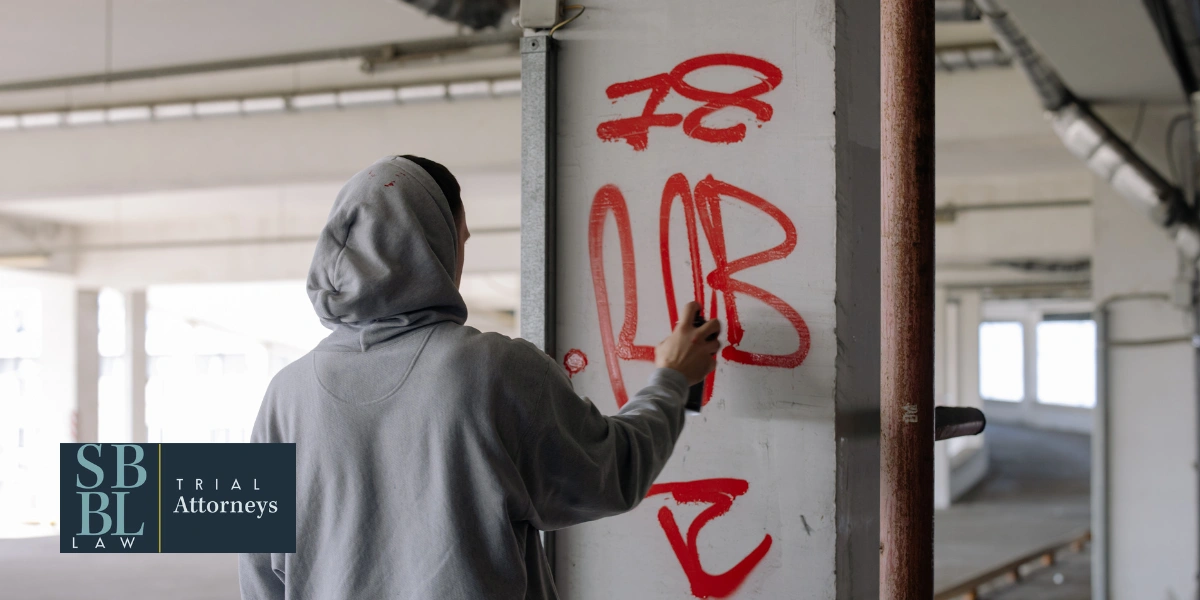
A criminal misdemeanor is a less severe crime than a felony but still carries legal consequences. Misdemeanors typically involve offenses such as petty theft, simple assault, vandalism, disorderly conduct, trespassing, or driving under the influence. While considered minor crimes, they can lead to fines ranging from hundreds to thousands of dollars, probation, community service, or jail time typically up to one year in county jail.
A misdemeanor is a less severe crime than a felony, but it still carries legal consequences. While not as serious as felony offenses, misdemeanors can lead to fines, probation, community service, or even jail time.
How Are Misdemeanors Different from Felonies
The main difference between a misdemeanor and a felony is the severity of the crime and its punishment. Felonies typically involve more serious offenses such as murder, robbery, or large-scale fraud and often come with long prison sentences. Misdemeanors, on the other hand, are considered less severe but can still impact your life in significant ways. Misdemeanors carry lower potential jail sentences, including sentences of just a few days in jail, up to a year. In some states, “high crime misdemeanors” are misdemeanors that are treated similar to felonies and can carry sentences longer than a typical misdemeanor. The line between what constitutes a misdemeanor and felony varies from state to state. Felonies generally carry maximum potential sentences that can include prison sentences, whereas misdemeanor sentences are usually served in local jail or on probation without jail time.
Whether charged with a misdemeanor or felony, you can decide whether or not to take the case to trial and challenge the charges in front of a jury.
Common Examples of Misdemeanors
Misdemeanors cover a broad range of offenses, including:
- Petty theft – Stealing low-value items
- Simple assault – Minor physical altercations without serious injury
- Vandalism – Damaging property, such as graffiti or property defacement
- Disorderly conduct – Public disturbances, such as fighting or public intoxication
- Trespassing – Entering private property without permission
- Driving under the influence (DUI) – Operating a vehicle while impaired
Even though these crimes might seem minor, they can still have long-term consequences.
How Long Does a Misdemeanor Stay on Your Record
In most cases, both misdemeanors and felonies stay on your criminal record permanently. However, depending on the laws in your state, you may be able to get the offense expunged. Expungement is a legal process that removes the misdemeanor from your record, making it inaccessible to employers and background checks.
Misdemeanor Penalties and Consequences
While misdemeanors are less severe than felonies, they still come with legal penalties. Typical misdemeanor penalties include:
- Fines – Can range from a few hundred to several thousand dollars
- Community service – Court-ordered service to the community
- Probation – Supervised release instead of jail time
- Jail time – Typically up to one year in county jail
Beyond legal consequences, a misdemeanor conviction can impact your job opportunities, housing applications, and personal reputation.
Can You Remove a Misdemeanor from Your Record
Yes, in many cases, you can have a misdemeanor expunged from your record. The process and eligibility requirements vary by state, but common factors include completing your sentence, having a clean record since the offense, and meeting a waiting period. Consulting a legal expert can help you understand your options.
Conclusion
A misdemeanor may not be as severe as a felony, but it can still have lasting effects on your life. Understanding misdemeanor penalties and legal options can help you navigate the consequences and potentially clear your record. If you’re dealing with a misdemeanor charge, it’s important to know your rights and seek legal guidance when needed.
If you’re facing a misdemeanor charge in Michigan, the legal team at SBBL Law is here to help. Our experienced Walker criminal defense attorneys can guide you through the legal process, explore options for reducing charges, and determine if your record can be expunged. Contact SBBL Law today for a consultation, and take the first step toward protecting your future.
Criminal Misdemeanor Resource:
Where We Practice
Our criminal lawyers represent clients in nationwide federal criminal cases and Title IX investigations, and we regularly appear in courts throughout Michigan:
- U.S. District Court for the Western District of Michigan (federal court in Grand Rapids, Kalamazoo, Lansing, Marquette)
- U.S. District Court for the Eastern District of Michigan (federal court in Detroit, Ann Arbor, Bay City, Flint, Port Huron)
- Kent County (Greater Grand Rapids, Walker, Wyoming, Kentwood, Grandville)
- Newaygo County (White Cloud)
- Ottawa County (Hudsonville, Holland, Grand Haven)
- Allegan County
- Barry County (Hastings)
- Muskegon County
- Oceana County (Hart)
- Mecosta County (Big Rapids)
- Ionia County
- Montcalm County (Stanton)
- Clinton County (St. Johns)
- Gratiot County (Ithaca)
- Eaton County (Charlotte)
- Ingham County (Lansing, East Lansing, Mason)
- Jackson County
- Calhoun County (Battle Creek)
- Kalamazoo County
- Van Buren County (Paw Paw, South Haven)
- Mason County (Ludington)
- Lake County (Baldwin)
- Osceola County
- Berrien County (St. Joseph)
- Washtenaw County (Ypsilanti, Ann Arbor)
- and elsewhere throughout Michigan.
If you or someone you know is looking for a criminal defense attorney, call now for a free consultation (616) 458-5500 or connect with us online.
Kalamazoo
TYPES OF CASES
- White Collar Crimes
- Tax Crimes
- Other Financial Crimes
- Environmental Crimes
Allegan
TYPES OF CASES
- Domestic Violence
- Violent Felonies
- Firearms Offenses
- Major Cases
- Murder-for-Hire
Barry
TYPES OF CASES
- White Collar Crimes
- Tax Crimes
- Other Financial Crimes
- Environmental Crimes
Lona
TYPES OF CASES
- Domestic Violence
- Violent Felonies
- Firearms Offenses
- Major Cases
- Murder-for-Hire
Kent
TYPES OF CASES
- White Collar Crimes
- Tax Crimes
- Other Financial Crimes
- Environmental Crimes
Ottawa
TYPES OF CASES
- Domestic Violence
- Violent Felonies
- Firearms Offenses
- Major Cases
- Murder-for-Hire
Muskegon
TYPES OF CASES
- White Collar Crimes
- Tax Crimes
- Other Financial Crimes
- Environmental Crimes
Mecosta
TYPES OF CASES
- Domestic Violence
- Violent Felonies
- Firearms Offenses
- Major Cases
- Murder-for-Hire
Montcalm
TYPES OF CASES
- White Collar Crimes
- Tax Crimes
- Other Financial Crimes
- Environmental Crimes
Newaygo
TYPES OF CASES
- White Collar Crimes
- Tax Crimes
- Other Financial Crimes
- Environmental Crimes
Lake
TYPES OF CASES
- Domestic Violence
- Violent Felonies
- Firearms Offenses
- Major Cases
- Murder-for-Hire
Mason
TYPES OF CASES
- White Collar Crimes
- Tax Crimes
- Other Financial Crimes
- Environmental Crimes
Leelanau
TYPES OF CASES
- White Collar Crimes
- Tax Crimes
- Other Financial Crimes
- Environmental Crimes
Benzie
Grand Traverse
Manistee
Kalkaska
Crawford
Oscoda
Alcona
Oceana
TYPES OF CASES
- White Collar Crimes
- Tax Crimes
- Other Financial Crimes
- Environmental Crimes
Wexford
Missaukee
Roscommon
Ogemaw
Iosco
Osceola
Clare
Isabella
Ionia
Clinton
Eaton
Ingham
Van Buren
Calhoun
Jackson
Berrien
Cass
St. Joseph
Branch
Gladwin
Arenac
Midland
Bay
Huron
Gratiot
Saginaw
Tuscola
Sanilac
Shiawassee
Genesee
Lapeer
St. Clair
Livingston
Oakland
Macomb
Hillsdale
Washtenaw
Wayne
Lenawee
Monroe
Antrim
Otsego
Montmorency
Alpena
Presque Isle
Charlevoix
Emmet
Cheboygan


SBBL LAW ©, ALL RIGHTS RESERVED.
Digital Marketing By RizeUp Media
*Images are obtained under license from Canva and other third-party stock image providers, with attribution included where required.